
Scaffold shade cloth is an essential protective barrier in Australian construction and outdoor work environments. This specialised mesh material is designed to shield workers and materials from harsh sunlight, combining durability with essential UV protection capabilities.
The primary function of scaffold shade cloth goes beyond just blocking the sun:
- Debris containment during construction activities
- Temperature regulation in work zones
- UV radiation reduction for worker safety
- Enhanced privacy for construction sites
- Wind speed reduction in exposed areas
In Australia’s intense climate, proper sun protection isn’t just about comfort—it’s a critical safety requirement. Construction sites face particular challenges with direct sun exposure, making high-quality shade solutions essential for workplace health and safety compliance.
Covert Procurement supplies premium scaffold shade cloth that meets Australian safety standards and construction requirements. Their range includes various grades and densities of shade cloth, ensuring suitable protection levels for different applications while maintaining competitive pricing for the Australian market.
Additionally, Covert Procurement offers Reo-Bar Safety Protection Strips which are designed to protect people from exposed reo bars on construction sites. These strips are durable, UV-resistant, and available in 1m lengths, adding an extra layer of safety in the demanding construction environment.
Understanding Scaffold Shade Cloth Types and Their Benefits
Scaffold shade cloth materials have evolved significantly to meet diverse construction and outdoor protection needs. Two primary materials dominate the market:
1. High-Density Polyethylene (HDPE)
- Superior UV stabilisation
- Exceptional tear resistance
- 10-15 year lifespan
- Maintains strength in extreme temperatures
2. Polypropylene
- Cost-effective solution
- Lightweight yet durable
- Resistant to chemical exposure
- 5-7 year average lifespan
The market offers several specialised shade cloth varieties:
1. Raschel Knitted Shade Cloth
- Unique lock-stitch pattern
- Enhanced airflow properties
- Ideal for large-scale construction sites
- UV protection up to 95%
2. Woven Shade Cloth
- Dense weave pattern
- Superior debris containment
- High wind resistance
- Suitable for urban construction
3. Aluminet Shade Cloth
- Reflective aluminium strips
- Dual-action temperature control
- Reduces heat gain by 85%
- Perfect for metal structures
4. Tape Raschel Shade Cloth
- Reinforced edge binding
- Extra strength for high-wind areas
- Enhanced tear resistance
- Ideal for coastal construction sites
These materials work by creating a protective barrier that blocks harmful UV rays while maintaining essential airflow. The knitted or woven structure allows for heat dissipation while providing necessary shade coverage. Each type offers specific advantages based on project requirements, environmental conditions, and duration of use. Learn more about UV rays on https://www.cdc.gov/radiation-health/features/uv-radiation.html
The UV protection capabilities range from 70% to 96.5%, depending on the material density and construction method. This scientific approach to shade cloth design ensures optimal protection for both workers and materials on construction sites.
Key Factors to Consider When Choosing Scaffold Shade Cloth
Selecting the right scaffold shade cloth requires careful consideration of several critical factors to ensure optimal protection and performance.
Shading Percentage Selection
- 30% shade cloth: Ideal for mild sun exposure and areas requiring maximum visibility
- 50% shade cloth: Perfect balance for general construction work and light-sensitive areas
- 70% shade cloth: Suitable for high-sun environments and sensitive equipment protection
- 90% shade cloth: Maximum protection for extreme conditions and heat-sensitive materials
UV Resistance Requirements
The UV resistance rating directly impacts the cloth’s protective capabilities and longevity. Australian worksites demand high UV resistance ratings due to intense sun exposure:
- Standard UV rating: 3-5 years of protection
- Premium UV rating: 7-10 years of protection
- Ultra-premium UV rating: 10+ years of protection
Ventilation Considerations
The mesh structure affects airflow and temperature control:
- Looser weave patterns allow better air circulation
- Tighter weaves provide enhanced protection but require strategic placement
- Optimal positioning: 15-20cm gap from protected surfaces
Material Quality Indicators
High-quality materials ensure long-term performance:
- Break strength: minimum 85kg/m²
- Tear resistance: minimum 45N
- Edge reinforcement: double-stitched borders
- UV stabilised yarns
- Chemical resistance properties
The Australian climate demands shade cloths that maintain structural integrity under intense heat, UV exposure, and seasonal weather changes. Professional-grade materials with proper certifications ensure compliance with workplace safety standards while delivering reliable protection throughout the project lifecycle. To find more about exposure click here.
Intended Use and Application of Scaffold Shade Cloth
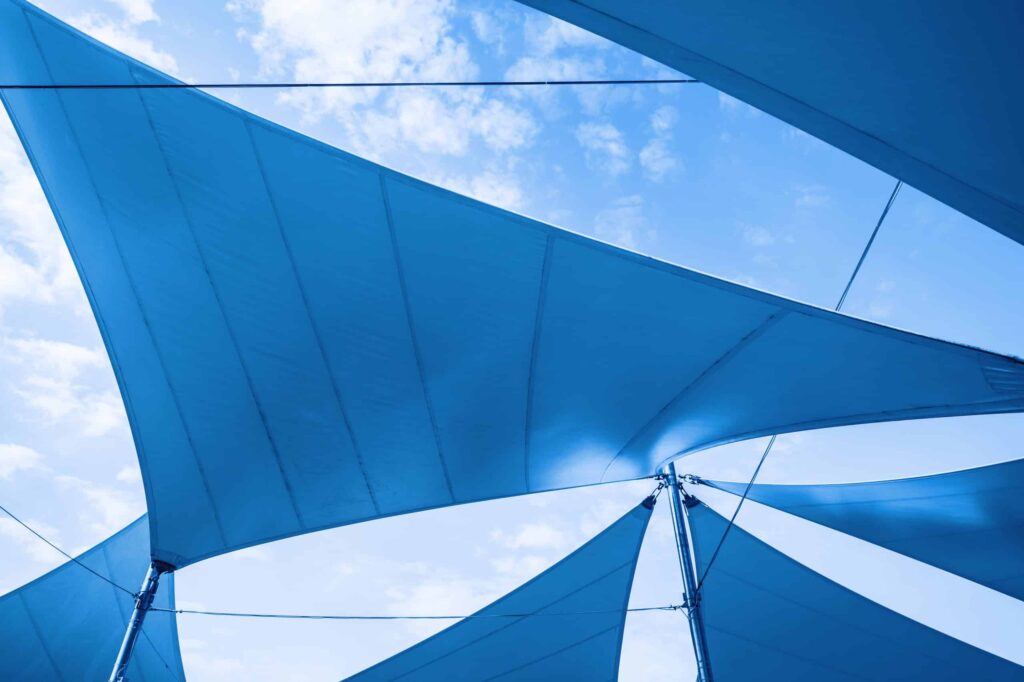
Scaffold shade cloth serves distinct purposes across different industries, each requiring specific considerations for optimal performance.
1. Construction Site Applications:
- Protection against falling debris and tools
- Creation of safe working environments with reduced glare
- Dust containment during demolition work
- Temperature regulation in work zones
- Weather protection for materials and equipment
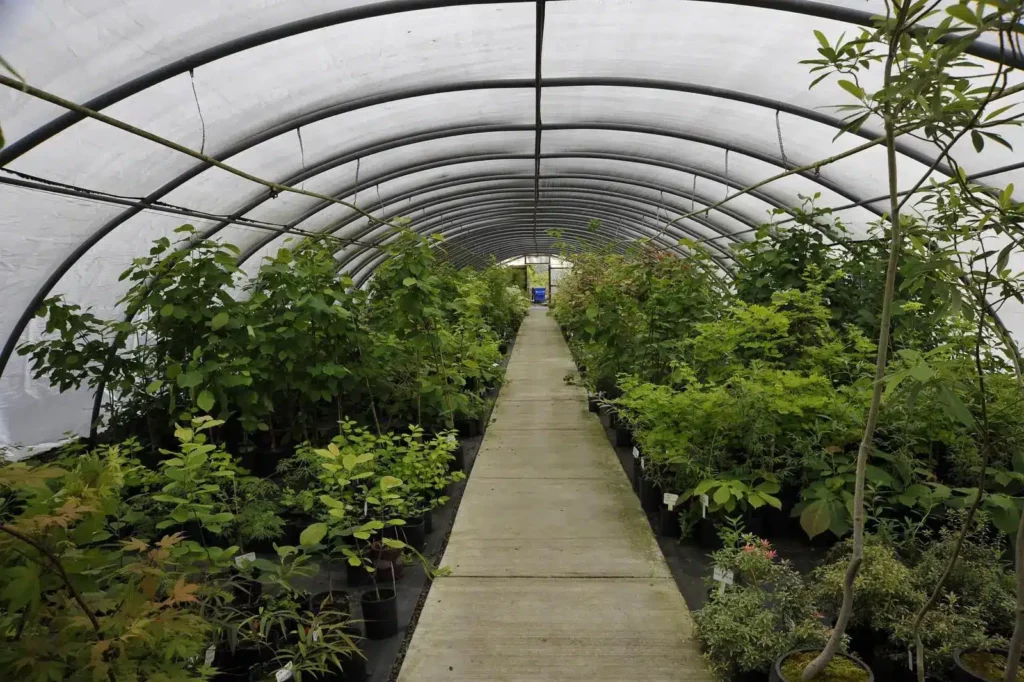
2. Horticultural Requirements:
- Controlled light exposure for sensitive plants
- Prevention of leaf burn during peak sun hours
- Maintenance of optimal growing temperatures
- Protection from harsh weather conditions
- Creation of microclimate zones for specific plant species
The demands of construction sites prioritise durability and safety features, requiring heavy-duty materials with high tear resistance. These settings benefit from darker shade cloths that maximise glare reduction and debris containment.
Horticultural applications focus on light filtration precision, where the shade percentage directly impacts plant health. Greenhouse environments typically require lighter shade percentages to maintain photosynthesis while protecting against intense sunlight.
Climate Considerations When Choosing Scaffold Shade Cloth
Australia’s diverse climate zones demand careful consideration when selecting scaffold shade cloth. The intense UV radiation in northern regions requires higher-density shade cloths with UV protection ratings of 90% or above. Coastal areas face unique challenges with salt spray and strong winds, making durability a critical factor.
Read about temporary scaffolding mesh on: How Temporary Scaffolding Mesh Protects Workers and Bystanders
Regional Climate Factors:
- Tropical North: Select shade cloths with maximum UV protection and high ventilation properties to manage humidity
- Arid Central: Choose materials resistant to extreme temperature fluctuations and dust accumulation
- Temperate South: Opt for adaptable shade percentages to accommodate seasonal changes
- Coastal Areas: Use corrosion-resistant materials and secure fastening systems
The shade cloth’s colour plays a significant role in heat management. Darker shades absorb more heat, while lighter colours reflect sunlight effectively. In high-temperature regions, light-coloured shade cloths help reduce thermal build-up beneath the scaffolding.
Wind exposure levels also influence shade cloth selection. High-wind areas require reinforced edges and additional fixing points to prevent damage and maintain structural integrity.
Benefits of Using Scaffold Shade Cloth for Sun Protection
High-quality scaffold shade cloth provides excellent protection against UV radiation, blocking up to 96.5% of harmful rays. This impressive ability to shield against the sun creates a safer working environment for construction teams and helps protect sensitive materials on-site.
Enhanced Worker Comfort
The advanced knitting technology used in modern shade cloths generates a cooling effect through:
- Temperature reduction of 8-15°C beneath the covered area
- Air circulation maintenance while blocking direct sunlight
- Heat dissipation through specialised fabric structures
Worker comfort receives a significant boost during Australia’s intense summer conditions. The shade cloth creates cool zones where teams can maintain productivity without the risk of heat stress or sunburn. This protective barrier proves particularly valuable during mid-day hours when UV exposure peaks.
Improved Visibility and Reduced Glare
Glare reduction stands out as another critical benefit. The specially designed mesh structure:
- Minimises reflective light from metal surfaces
- Improves visibility for detailed work
- Reduces eye strain during extended outdoor tasks
Protection for Materials and Surroundings
The shade cloth’s effectiveness extends beyond human protection. Construction materials, particularly those sensitive to UV degradation, benefit from reduced exposure. Plants in neighbouring areas also thrive under the filtered light conditions, making these solutions valuable for projects near landscaped zones.
Measurable Benefits
Research shows that proper shade cloth implementation can lead to:
- 75% reduction in UV-related incidents
- 40% improvement in worker comfort levels
- 60% decrease in glare-related safety concerns
These measurable benefits highlight why scaffold shade cloth has become an essential component of modern construction site safety protocols.
Installation Best Practices for Maximum Effectiveness with Scaffold Shade Cloths
Proper installation techniques ensure scaffold shade cloth delivers optimal sun protection and longevity. Here’s what you need to know about securing and maintaining your shade cloth:
Secure Fastening Methods:
- Use UV-resistant cable ties at 50cm intervals along all edges
- Install tensioning devices every 2-3 metres to prevent sagging
- Apply reinforced edge tape on cut sections to prevent fraying
- Double-check all fixing points before final tensioning
Essential Maintenance Protocol:
- Remove accumulated debris weekly with a soft-bristled brush
- Clean with mild soap solution every 3-6 months
- Inspect tension points monthly for wear or damage
- Check for tears or loose sections after severe weather events
Professional Tips:
- Install on calm days to ensure proper tension
- Create slight slopes for water runoff
- Allow 5% slack for natural stretching
- Position seams parallel to wind direction
Regular maintenance checks and proper installation methods significantly extend the life of scaffold shade cloth while maintaining its protective properties. These practices help prevent common issues such as wind damage, water pooling, and premature wear.
Comparing Shading Percentages for Different Needs with Scaffold Shade Cloths
The 50% shade cloth stands out as an optimal choice for diverse applications, striking a perfect balance between sun protection and light penetration. This medium-density option creates an ideal microclimate by:
- Allowing sufficient natural light for plant photosynthesis
- Maintaining comfortable temperatures in outdoor spaces
- Reducing glare without creating excessive darkness
- Supporting healthy plant growth in nurseries and gardens
In residential settings, 50% shade cloth provides:
- Protection for outdoor living areas
- Comfortable light levels for recreational activities
- Enhanced privacy without complete visual obstruction
- Natural cooling effect through partial sun blocking
For construction sites requiring moderate protection, 50% shade cloth delivers:
- Adequate visibility for safe work conditions
- Reduced heat stress on workers
- Effective dust containment
- Balanced airflow through the mesh structure
The versatility of 50% shade cloth makes it a practical choice for both temporary installations and permanent shade solutions, adapting well to Australian climate conditions while maintaining essential light levels for various applications.
Additional Features Influencing Choice When Selecting Scaffold Shade Cloths
The colour selection of scaffold shade cloth plays a significant role in both functionality and visual appeal. Dark-coloured shade cloths, such as black or navy blue, absorb more heat and provide enhanced UV protection. These colours create effective barriers against harsh sunlight, making them ideal for areas requiring maximum sun protection.
Light-coloured options like beige or green reflect more heat, resulting in cooler temperatures beneath the shade cloth. These colours work well in residential settings where maintaining comfortable temperatures is essential.
Heat absorption rates by colour:
- Black: 95% heat absorption
- Dark Green: 85% heat absorption
- Light Green: 70% heat absorption
- Beige: 55% heat absorption
The aesthetic integration of shade cloth into existing environments deserves careful consideration. Green shades blend seamlessly with natural surroundings, making them popular choices for garden centres and landscaping projects. Neutral colours like beige or grey complement modern architectural designs, creating a professional appearance on construction sites while maintaining effective sun protection.
Custom colours are available for specific branding requirements or local council regulations, ensuring compliance while maintaining protective properties.
Conclusion
Choosing the right scaffold shade cloth is crucial for construction safety and project success. It affects worker protection, site conditions, and project efficiency. Quality suppliers like Covert Procurement offer reliable scaffold shade cloth solutions along with essential construction materials such as formwork plywood and scaffolding accessories.
Working with trusted Australian suppliers ensures:
- Compliance with local safety standards
- Access to expert product guidance
- Comprehensive construction material solutions
- Long-term value through quality products
Make an informed investment in your project’s success – choose high-grade scaffold shade cloth from reputable suppliers who understand Australian construction requirements and deliver proven results.